Nebula: The Story of the Stars
Here in our site you can find out what stars are, their variability, how they are formed and much more for you to improve your knowledge.
about the project
The idea of our project is a website to spread knowledge about the variability of the stars beyond their infinite beauty.
what are the stars?
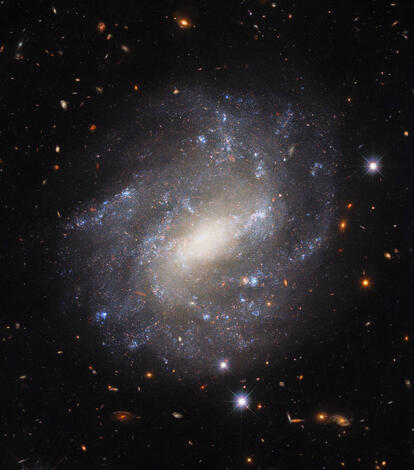
Stars are large balls of gas that emit light and heat, and represent fundamental aspects in galaxies. Stars are linked to the characteristics of planetary systems that can coalesce about them.
do the stars blink?
Stars shine in the night sky due to atmospheric turbulence, and simply put, the image of a star is basically a point of light in the sky.When there is an imbalance in the atmosphere (agitation), the star's light is deflected in many different directions. Astral vision then picks up small changes in your brightness and where you are, and starts blinking with it.
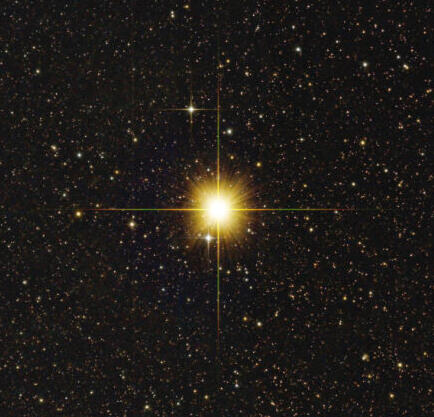
Acturus

variability and Arcturus
The variability of stars, that is, how and why stars change, is what makes us learn more and more about the universe.
In 1718, Sir Edmund Halley observed that the position of the star Arcturus in the sky had changed one degree from the position measured by Ptolemy. Since then they have observed a motion calling it proper motion, which refers to the motion of the star perpendicular to the line of sight of an observer on Earth.
The variability can be observed through the photometry of the electromagnetic radiation coming from the star, which describes the variation in the brightness of the source.
why does this variation occur?
In order to observe the stars, their light tends to cross the atmosphere, and this is when its trajectory changes. This is because the light's path changes density when it passes through the atmosphere and gets closer to the surface, undergoing refraction and having small deviations.
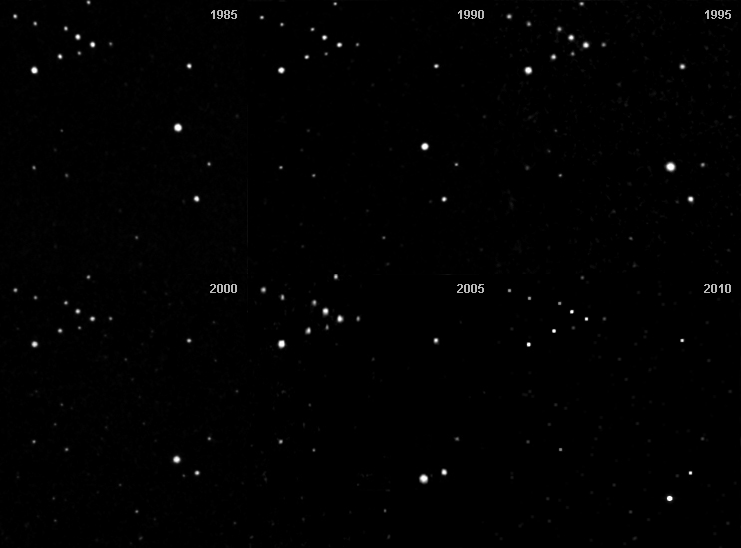
stars . . .
As we've seen before, stars can move through space over the years. Here we have examples of stars and their timeline. (click on the images for more information!)
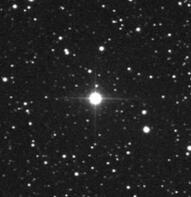
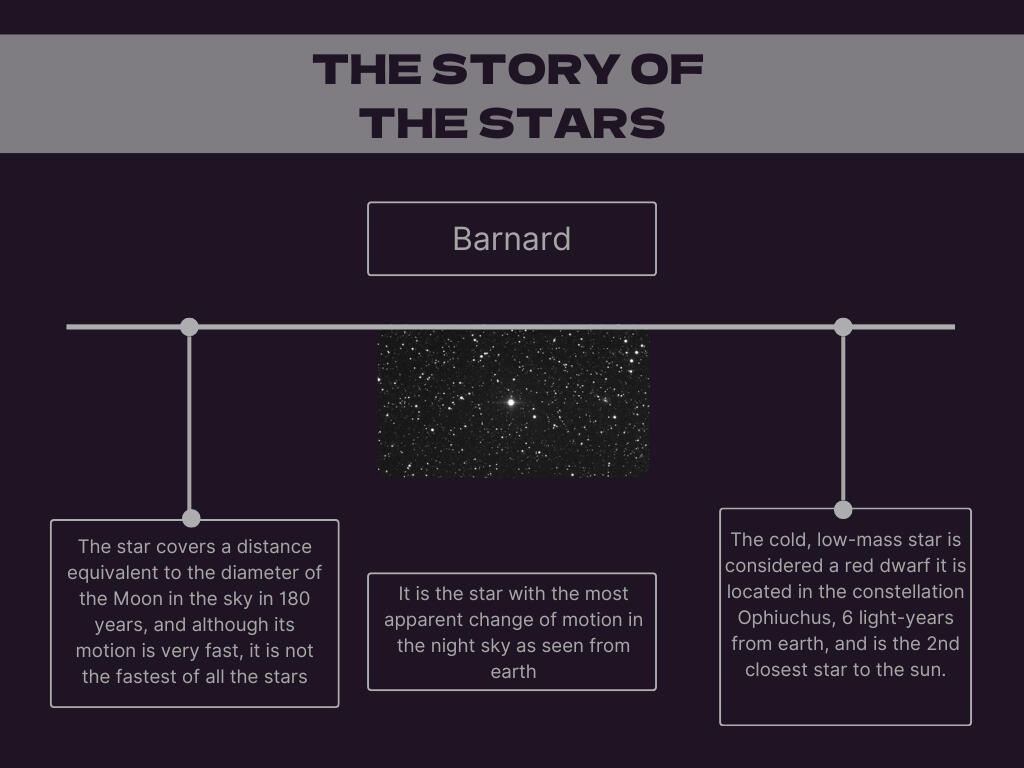
Barnard
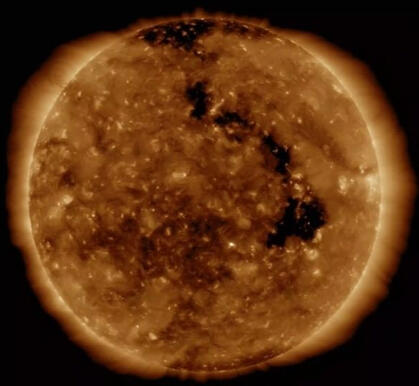
Sun
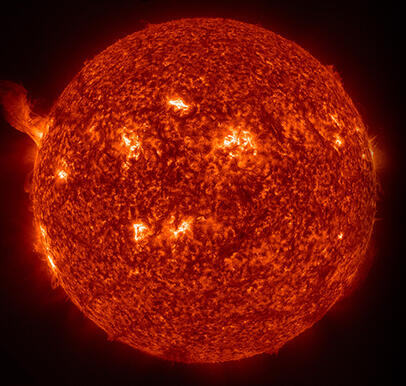
Stephenson 2-18
sun
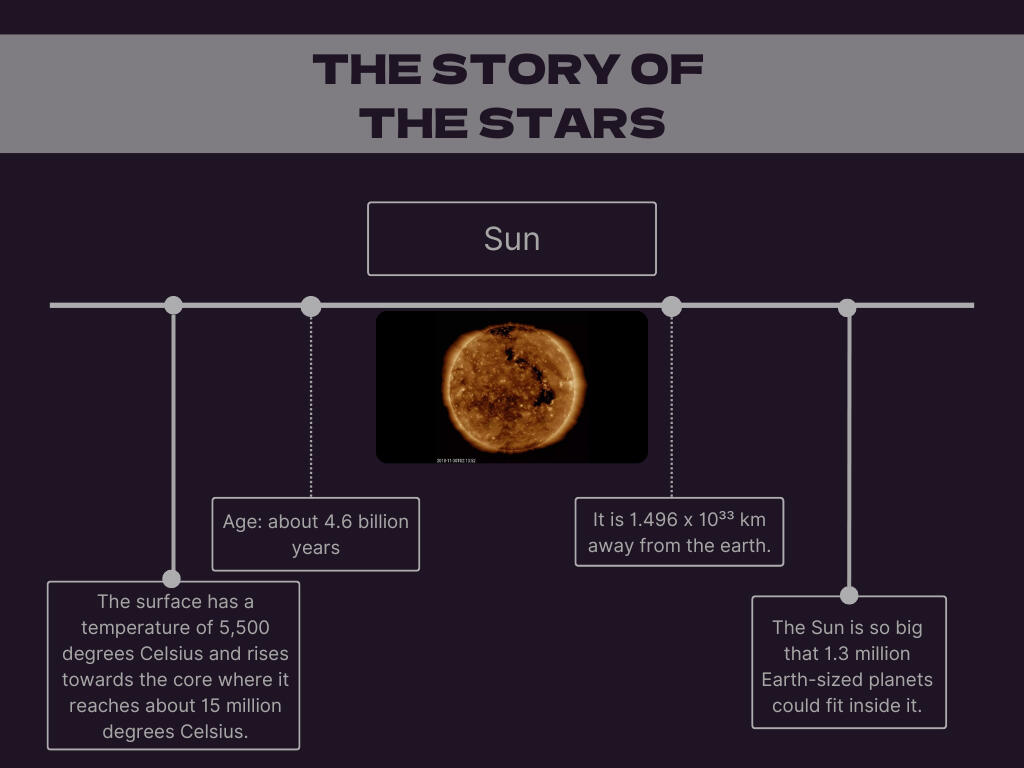
The sun is a giant star, a ball of incandescent gas at extremely high temperatures. There are millions of earth influences of influences upon us, ensuring the living conditions of our planet. According to researchers, the sun apparently follows a trajectory over the years called the Ecliptic, that is, it moves among the stars due to the transiting motion of the earth around the sun.
Stephenson 2-18
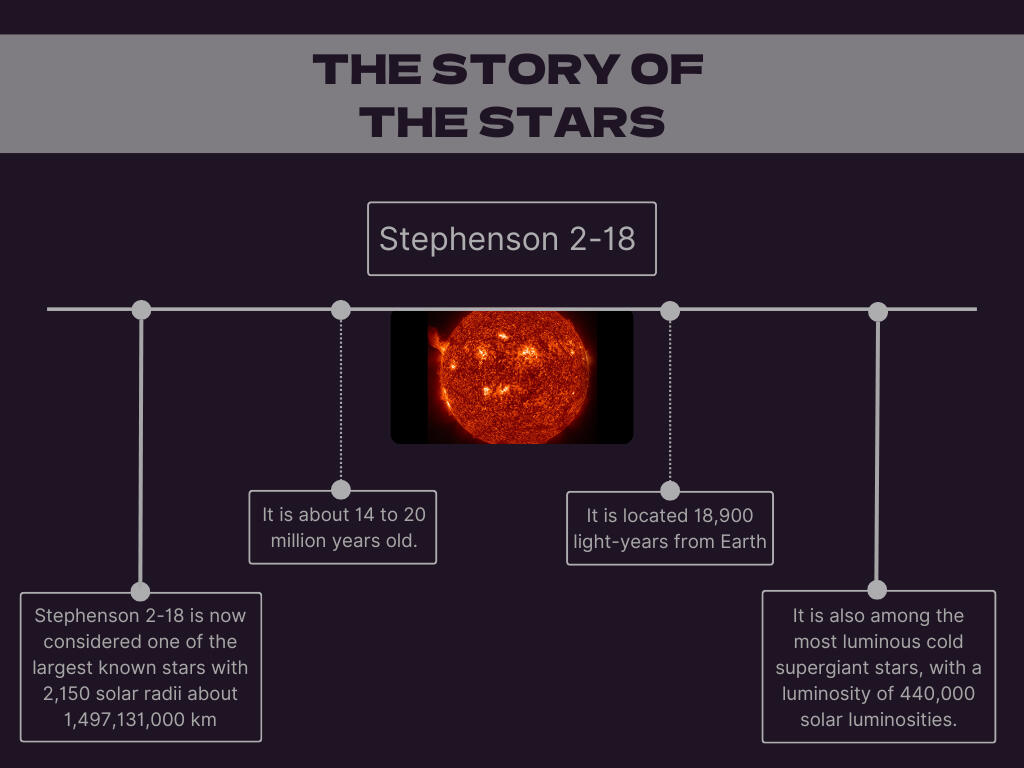
Stephenson 2-18 has an incredible 2,150 times the radius of the Sun. It occupies an area of 1.8' of the sky, is not visible to the naked eye because it is heavily obscured by dust, but can be seen in infrared light. It is located in the constellation of Scutum, 18,900 light-years from us, in the region of the sky between Alpha and Beta Scuti. At about 14 to 20 million years old it can continue to grow, and possibly one day it will become a yellow hypergiant.
barnard
Barnard is a star discovered by astronomer Edward Emerson Barnard (1857-1923), who predicted that such a star has the greatest proper motion among all other known stars. This is due to its proximity to the Sun and it is predicted that it will get closer to it due to its high movement.